Plenty of crypto investors have lived with the false comfort that, as long as they never moved the money down to the bank, the Spanish tax agency knew nothing. That myth died in 2025. If you have received a notification, or the now-famous CRI001 notice in your tax data, the AEAT’s radar has already picked you up.
In this guide, the colvence team explains why you are caught, how much they really know about what you do and, most importantly, how to act before a formal demand turns into a penalty you cannot absorb.
Why does the tax agency know I trade on an exchange?
The short answer: exchanges are no longer a black hole for the tax authorities. There are three main routes by which the AEAT obtains your data:
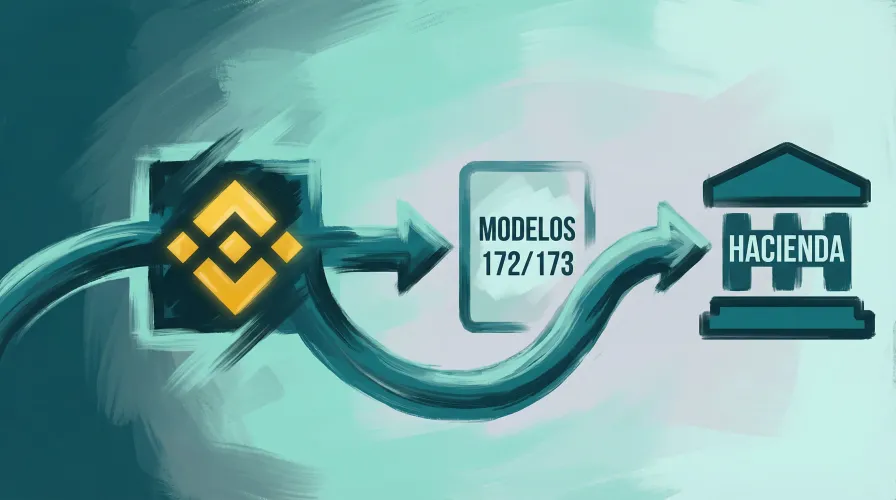
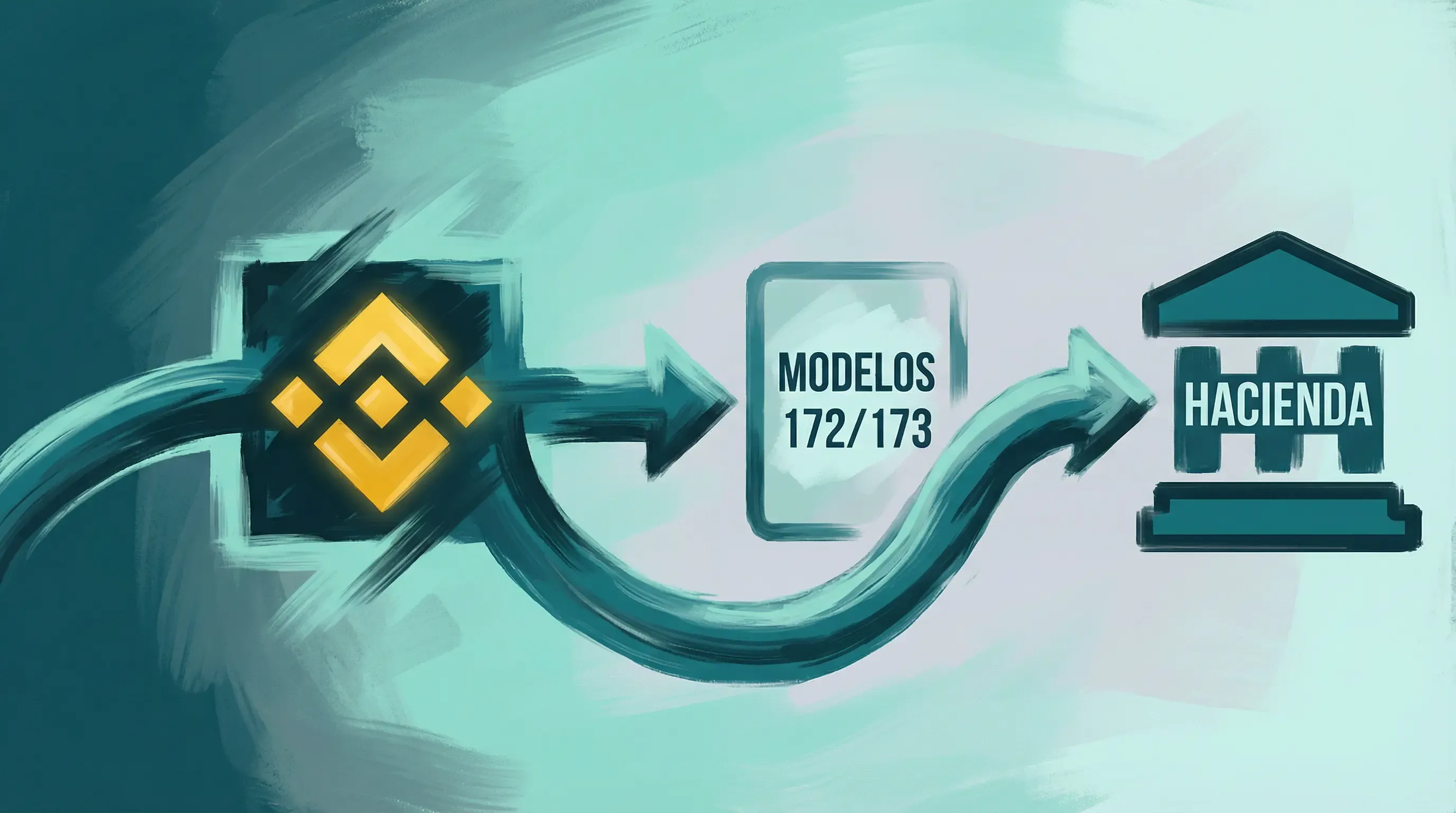
- The exchange: being registered with the Bank of Spain, it is obliged to file Modelo 172 and Modelo 173. That means the tax agency receives a list with your name, your balance as at 31 December and the total volume of your transactions.
- The banking trail (fiat): every transfer you made from your account at BBVA, Santander or Revolut to the exchange left a footprint. Banks report suspicious or recurring movements to exchange platforms.
- The DAC8 directive and MiCA: European cooperation now requires exchanges (including those with no Spanish head office) to share information on their EU-resident users in order to prevent tax evasion.
How badly am I caught?
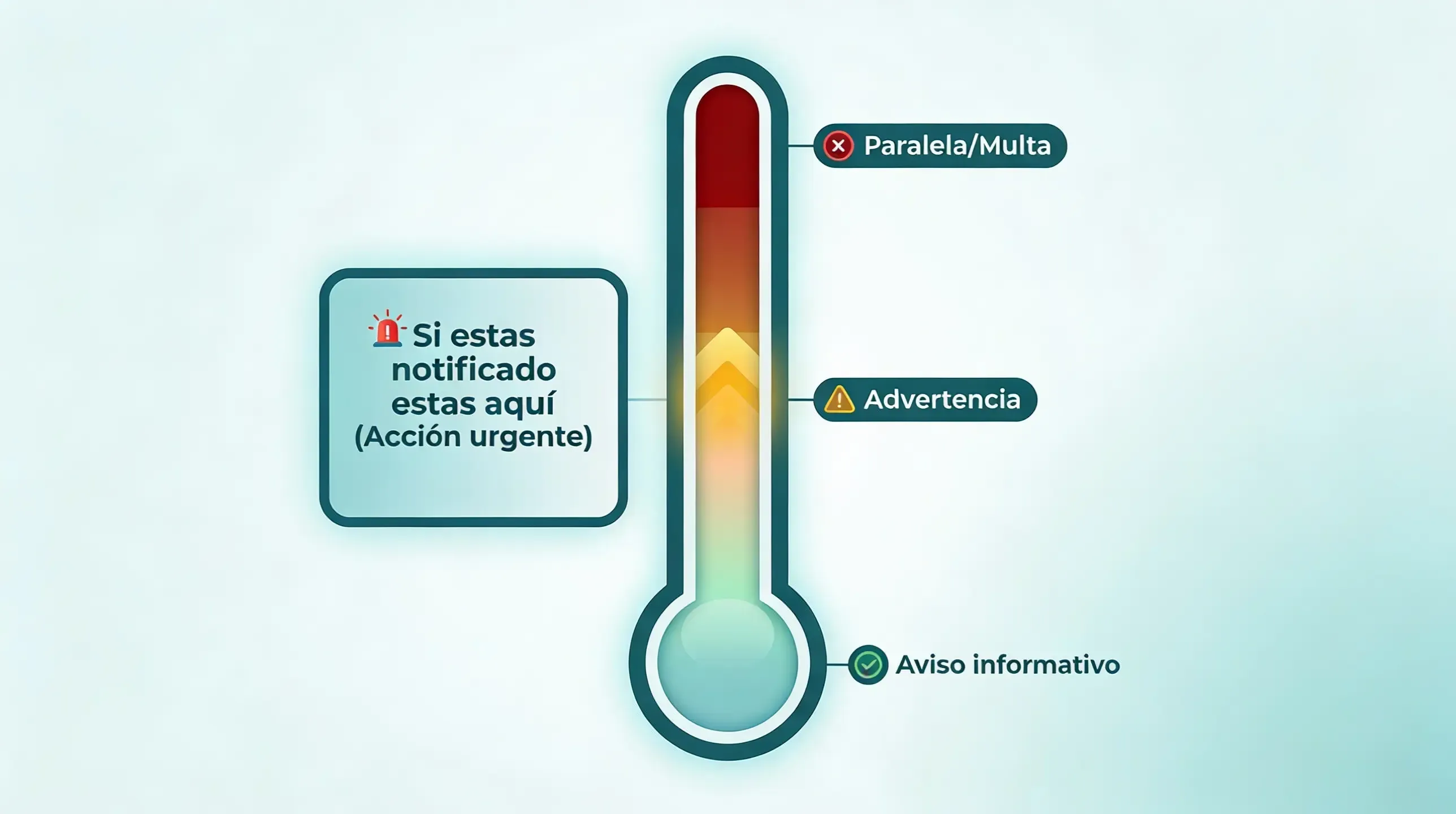
There are three levels of detection. Working out which one you are at will determine your defence strategy:
Level 1: the informational notice (“We know you hold crypto”)
This is the message that appears in your draft tax return. It is not a fine, they are simply watching you. The tax agency knows you have an account on an exchange, but it may not know exactly how much you have made. It is the ideal moment to regularise voluntarily with colvence.
Level 2: the formal demand for information
Here you receive a letter asking for statements of your transactions. The tax agency has detected a discrepancy between what it suspects and what you declared. Critical point: if you fail to produce clear reports within 10 days, the penalty for obstruction is severe.
Level 3: the parallel assessment, or proposed settlement
The tax agency has already run its own calculations (usually in its own favour, ignoring your losses) and sends you a bill with what you owe plus the fine. Room for manoeuvre here is narrower and an urgent forensic audit of your account is required.
What to do now? The colvence protocol
If you know your transactions are not in order, do not wait for the recorded-delivery letter. The colvence team recommends these steps:
- Do not delete the account: some users believe that closing their Binance account makes the trail disappear. Wrong: the tax agency already holds the data for previous years.
- Get your CSV files immediately: as we saw in our Binance guide, historical data is hard to obtain. Download it before the server archives it.
- File an amended return: if you already filed your tax return but “forgot” the crypto, filing a voluntary amended return removes the possibility of a 150% fine being imposed on you.
- Technical audit: let specialists process your data. The tax agency often makes mistakes when calculating swaps (it ignores fees or acquisition costs); we make sure you only pay on the real profit.
Conclusion: anonymity is expensive
Being on the tax agency’s radar is not the end of the world if your documentation is ready. What the AEAT punishes is not the mistake, it is the concealment. At colvence we specialise in “cleaning up” transaction histories and presenting them so the inspector has nothing to object to.
Have you received a notice from the tax agency, or are you afraid of receiving one? Do not let fear paralyse you. Acting proactively today is the difference between a small surcharge and losing half your portfolio to fines.
Need a Binance profit and loss report to regularise your position? At colvence we help you get up to date before the tax agency knocks on your door. Get in touch.

Victor Lazaro
Tax adviser, colvence.com